
By: Karam Shaar Advisory LTD
Digital Promises, Weak Infrastructure
The Ministry of Finance has pledged to reform and modernize the tax collection system with e-filing, electronic invoicing, QR-coded receipts,


The Ministry of Finance has pledged to reform and modernize the tax collection system with e-filing, electronic invoicing, QR-coded receipts,
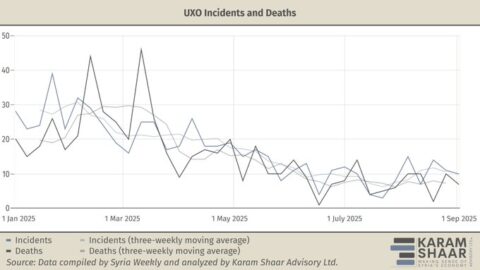
By September 2025, Syria recorded about 650 UXO incidents, nearly a third of the global total. Deaths this year are
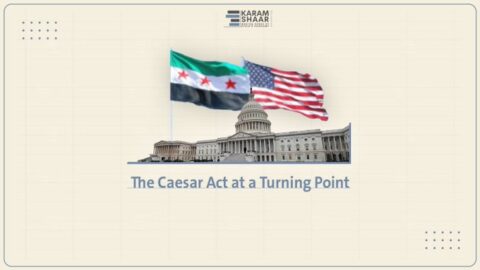
This timely brief by Vittorio Maresca di Serracapriola unpacks the evolving legislative landscape in Washington, where two competing amendments are
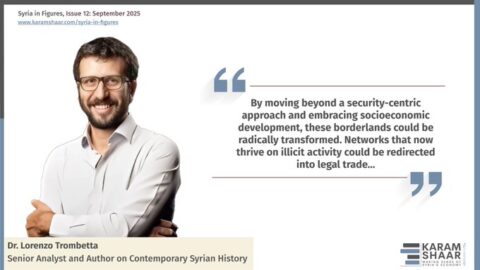
Dr. Trombetta argues that borderlands should be treated as economic corridors, not militarized zones. Turning smuggling routes into legal trade
Just one year was enough to turn data into a compass. Today, we mark one year since the launch of

Sham Cash allows unlimited withdrawals through hawala agents, offering a lifeline amidst Syria’s liquidity crisis. But with limited oversight and
The Syrian-Saudi Investment Forum in July 2025 produced 47 MoUs worth USD 6.4 billion, spanning real estate, telecoms, and health.
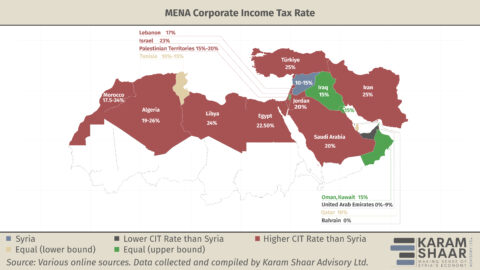
Syria’s planned corporate tax rate will range from 10% to 15%, among the lowest in the Middle East. The aim:
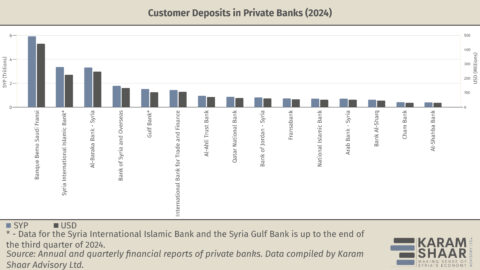
Syrians hold trillions in bank accounts, but can’t use them. With limits on withdrawals creating de-facto account freezes, businessmen are
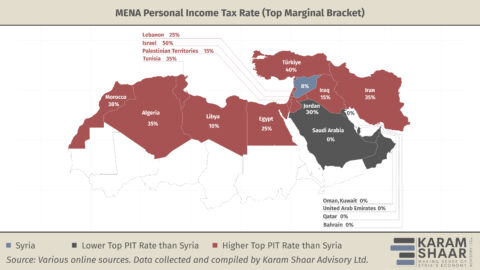
Syria’s new tax overhaul touches every Syrian: – Income tax: More than 90% of Syrians will be exempt, with the