

Fragility and the Captagon Trade in Southern Syria
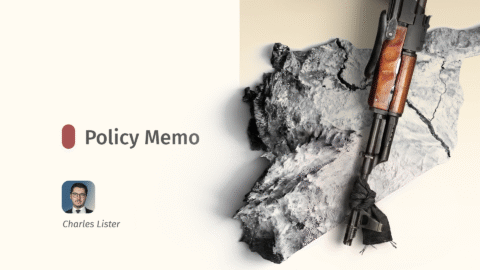
Syria’s captagon trade has been disrupted since Assad’s fall, but fragility along the Jordanian border, economic deprivation, and dispersed local networks continue to sustain remnant activity.


Syria’s captagon trade has been disrupted since Assad’s fall, but fragility along the Jordanian border, economic deprivation, and dispersed local networks continue to sustain remnant activity.

Syria’s May overflight revenue provided modest foreign currency support, but sustaining it depends on aviation-system upgrades, ICAO alignment, and continued airline confidence.

A Türkiye–Iraq convoy crossed Syria via Tel Abyad and al-Yaroubiya, highlighting the country’s potential as a land corridor amid insecurity in the Strait of Hormuz and Red Sea.

Saudi Arabia’s USD 1.5 billion pledge far exceeds past reported Syria funding, but its links to earlier financing discussions leave delivery mechanisms and new funding unclear.

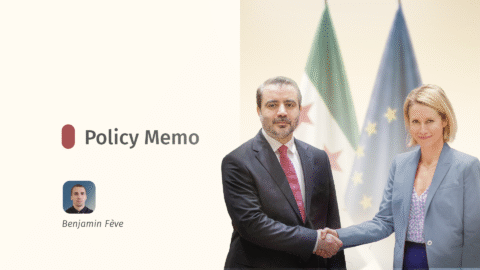
The first high-level EU–Syria political dialogue creates a more structured framework for cooperation, while testing whether normalization can translate into practical cooperation and measurable delivery.

ISIS attacks in Syria have fallen sharply, with near-record lows in May 2026, but remaining cells and recovery risks require sustained counterterrorism pressure and intelligence support.

The Syrian Sovereign Fund has increased public visibility, but key gaps remain around formal leadership, governance structure, asset disclosure, audited accounts, and public oversight.

ISIS’s June 13 attack on an Iraqi oil tanker in rural Aleppo shows how dispersed cells can disrupt Syria’s emerging regional economic links despite low attack levels.