
Syria’s Business Registrations Surge as LLCs Gain Ground
One in five new companies in Syria is now an LLC…up from one in twenty back in 2024. Why?
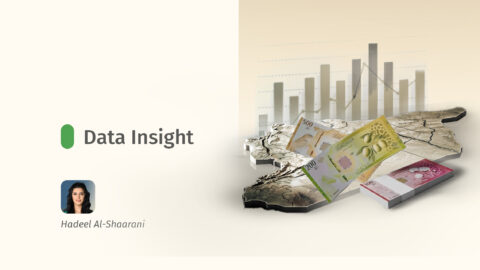
Syria’s 2026 Budget: Can Revenues Keep Pace with Spending?
A $1 billion deficit in the first half of 2026, but the full-year picture is not yet clear. Can revenues catch up with spending?

Türkiye’s Exports to Syria Pivot from Household Goods to Rebuilding Materials
Turkish exports to Syria hit USD 1.8 billion in H1 2026, but growth has plateaued, and what’s crossing the border has shifted from groceries to construction materials.
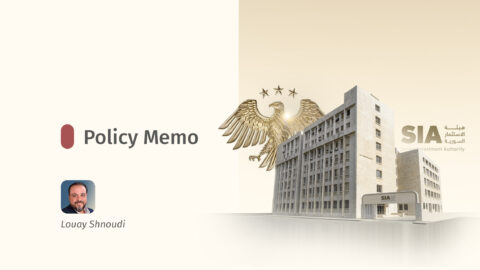
Syria’s Investment Authority Takes Sole Charge of Real Estate Investment: What Next?
Syria’s Investment Authority takes charge of real estate investment. Will this simplify approvals or leave overlapping powers unresolved?

Manufacturing the Threat: Israel’s Syria Policy After Assad
Israel seeks to neutralize potential threats in post-Assad Syria. Could its approach end up creating the very dangers it aims to prevent?
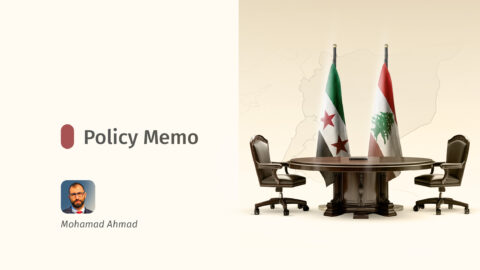
What Comes After the Syria-Lebanon Reset?
The new Syrian–Lebanese Joint Higher Committee aims to expand cooperation in energy, trade, border management, and reconstruction while addressing longstanding bilateral challenges.

The Electronic Company Registration Platform: A Step Toward an Integrated Legal-Digital Transformation
The article examines Syria’s electronic company registration platform and the requirements for a fully digital process with legally recognized electronic documents.

Beyond Inflation: How Many Days of Work Does a Syrian Worker Need to Feed Their Family?
This article examines how changes in wages and food prices affected household purchasing power in the first half of 2026, and whether improved food affordability can be sustained.
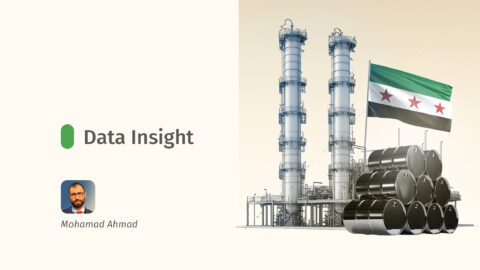
Syria Aims for Over 400,000 bpd Refining Capacity by 2030
Syria’s refining sector is recovering after years of decline, while proposed new refineries could reshape the industry despite significant feasibility challenges.
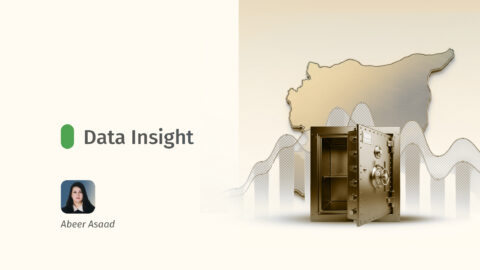
Excess Bank Liquidity Raises Questions About Its Role in Stimulating the Economy
High Liquidity Ratios in Syrian Private Banks and the Absence of Economic Stimulus: An Analysis of the Causes and Proposals for Directing Liquidity toward Productive Financing.

Meth Over Captagon: The Middle East is Still Chasing the High
Methamphetamine is gaining ground as Captagon production declines in Syria and Lebanon, reshaping illicit drug markets across the Middle East.
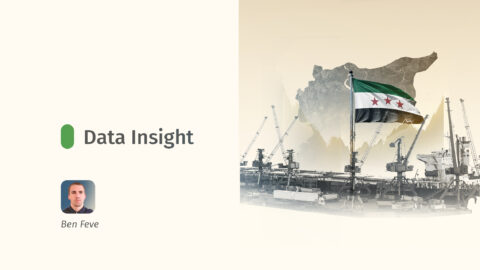
Syria’s Ports Rebound Sharply but Remain Far Below Pre-War Level
A data-driven analysis using IMF metrics to track Syria’s maritime trade recovery, highlighting the performance shift across Tartous, Latakia, and Baniyas ports relative to pre-war benchmarks.