Publications
Here we share all our published work, including peer-reviewed academic papers, policy papers, and op-eds.
Research Area
Publisher
Publication Type
Date Range
(Academic publication), with Sinan Hatahet (Aug 24, 2021)
Before the 2011 conflict, Syria’s electricity infrastructure was barely functional. There were high production and transmission losses resulting in frequent load shedding during the summer. However, after ten years of war the situation is markedly worse: per capita consumption of state electricity is now 15% of what it was in 2010. This paper provides a comprehensive assessment of Syria’s electricity sector after a decade of war. It first reviews: the sector’s pre-war organisational structure; production and consumption levels; its transmission grid; energy sources; and regional connectivity. The paper then assesses the impact of the conflict by tracking the 14 power plants through the war years: energy sources; production levels; and efficiency. It finally assesses damage to the sector and future prospects, with a focus on the role of the two countries with the greatest interest in rehabilitating the sector, Russia and Iran.
Operations and Policy Center (Research Paper), Karam Shaar and Orwa Khalifa (Jun 22, 2021)
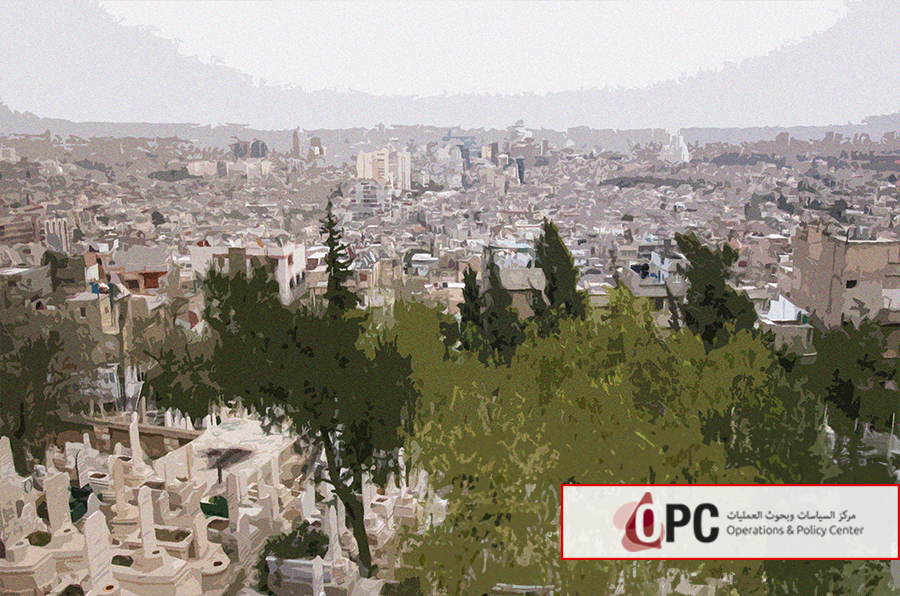
Syria’s regime-controlled areas witnessed several economic crises in late 2019 and 2020, leading to an exceptional deterioration in living standards. Operations and Policy Center (OPC) surveyed 600 respondents in three Damascus neighborhoods to assess Damascenes’ main economic activities: work, consumption, and spending.
The Economics of Hayat Tahrir al-Sham, Karam Shaar (Jun 18, 2021)
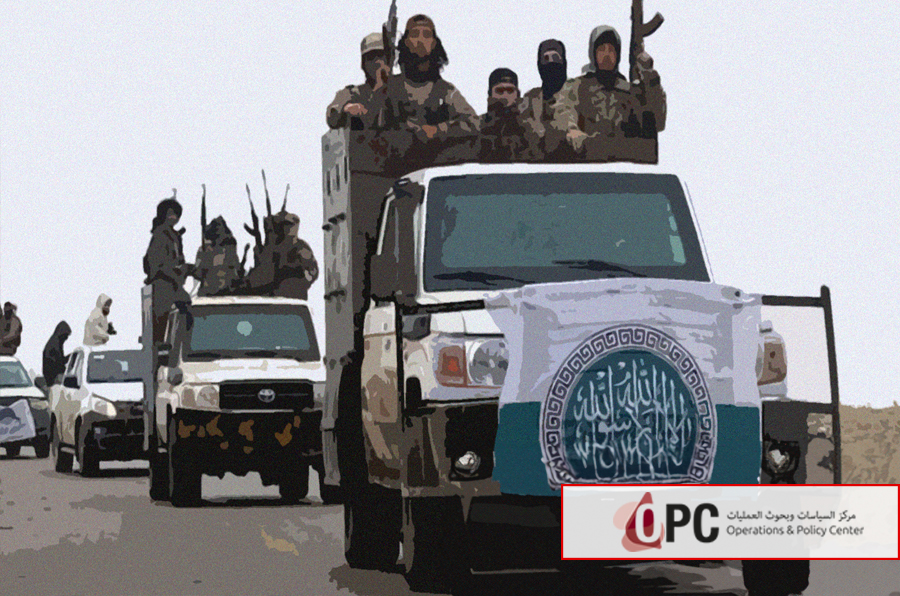
This study outlines how Hayat Tahrir al-Sham is taking over Idlib’s economy since its transformation from the Syrian branch of al-Qaeda to the de facto authority in the area. While the takeover is incomplete, the extent to which it will continue is primarily determined by Turkey’s tolerance of the group. The study is co-published between the Operations & Policy Center (OPC) and the Middle East Institute.
Middle East Institute, Karam Shaar (Op-ed) (Jun 10, 2021)
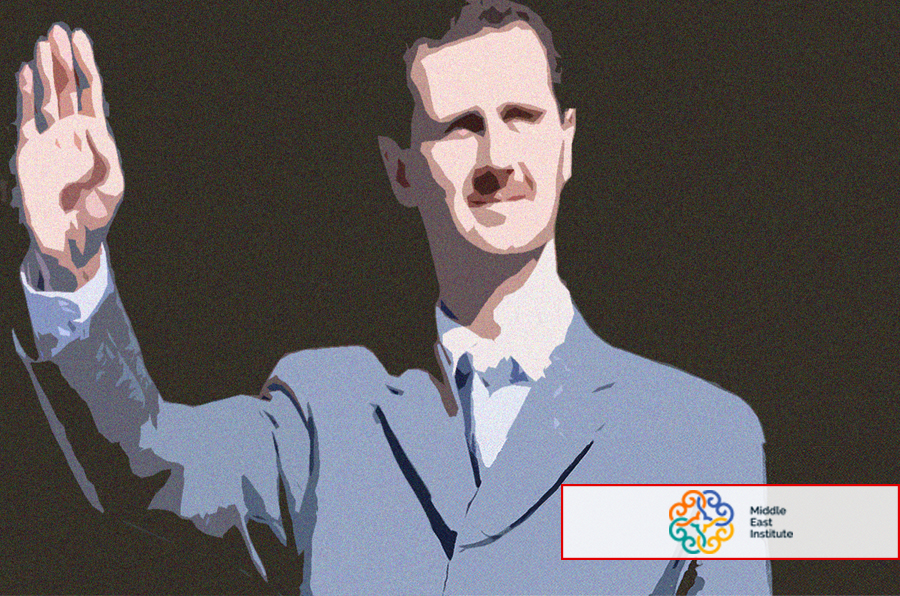
Most countries opposing the Syrian regime want Assad to accept U.N. Resolution 2254, passed in 2015, which among other things calls for fair elections, a new constitution, and credible, inclusive, and non-sectarian governance. However, Assad has refused to budge an inch. His rigidity should come to no one’s surprise; consider the choices he’s facing.
Operations and Policy Center (Policy Paper), Karam Shaar and Samy Akil (Mar 24, 2021)
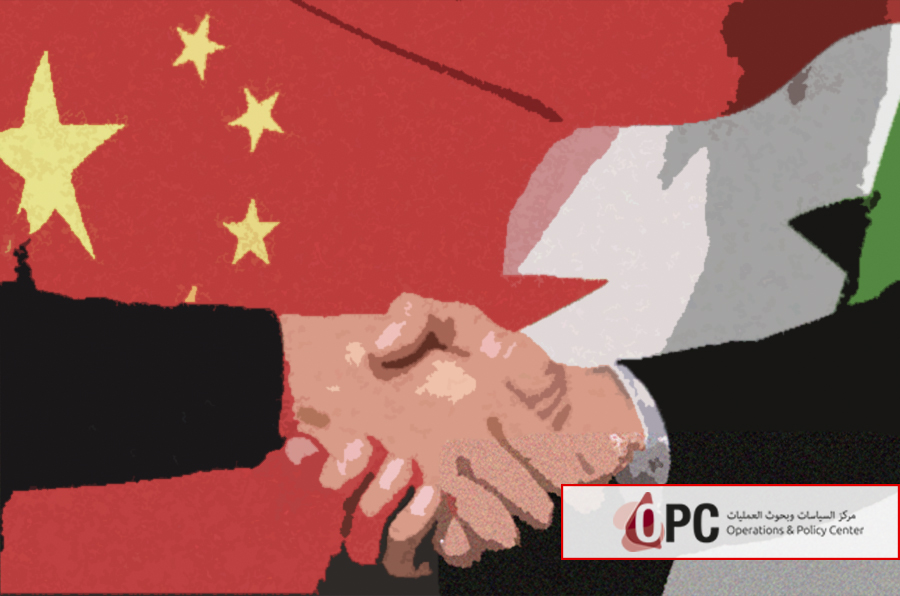
As China’s engagement in the Middle East continues to rise, its role in the Syrian conflict remains largely unaddressed. This study provides an overview of China’s interests and objectives in the conflict while simultaneously assessing its potential involvement in any reconstruction process.